
MGS Series Guided Wave Radar Level Transmitter -TDR Level Transmitter
Key Features
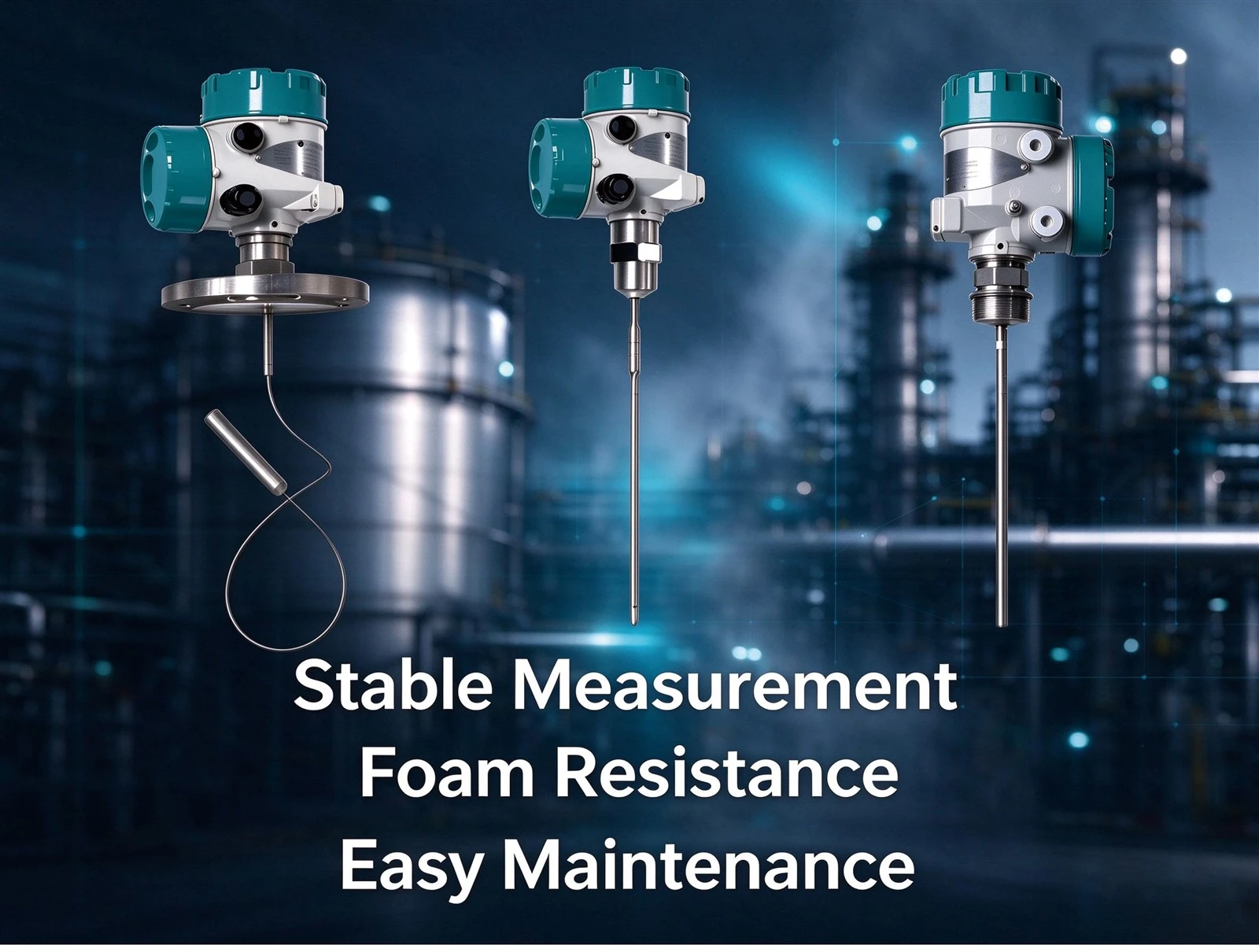
- Stable Measurement:Unaffected by liquid density, material looseness, temperature, dust or steam.
- Foam Resistance:Reliable measurement even with foam on the liquid surface.
- Easy Maintenance:Replaceable probe rods and cables.
- Simple Operation:User-friendly Chinese-language menu.
- Reduced Internal Interference:Coaxial probe measurement is unaffected by internal tank or nozzle structures.
Guided Wave Radar Level Transmitter
The MGS Series Guided Wave Radar Level Transmitter uses Time Domain Reflectometry (TDR) technology to measure the level of liquids and solid materials.
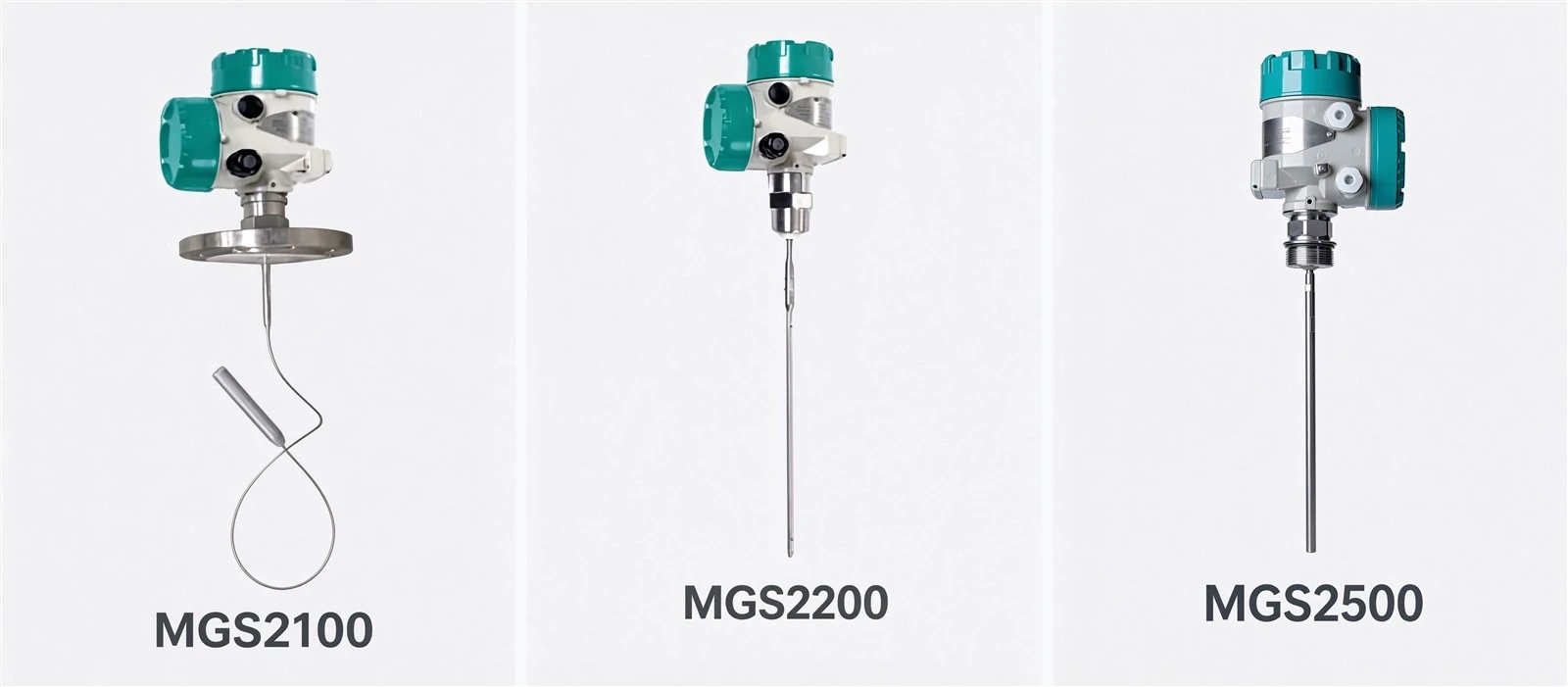
The MGS series offers three probe configurations:
- MGS2100 – Cable Probe: For liquid measurement and solid particles, depending on probe diameter and application.
- MGS2200 – Rod Probe: For short-range liquid and solid-material measurement.
- MGS2500 – Coaxial Probe: For liquid measurement, including specified applications involving liquefied gas.
The MGS Series Guided Wave Radar Level Transmitter is available with different probe types, process connections, power supplies and safety options to match the installation and operating conditions.
Choose the Right Probe for Your Application
Different materials, measuring ranges and tank structures require different probe configurations. Compare the three options,Cable Probe Guided Wave Radar,Rod Probe Guided Wave Radar and Coaxial Guided Wave Radar below to identify a suitable guided wave radar level sensor for your application.
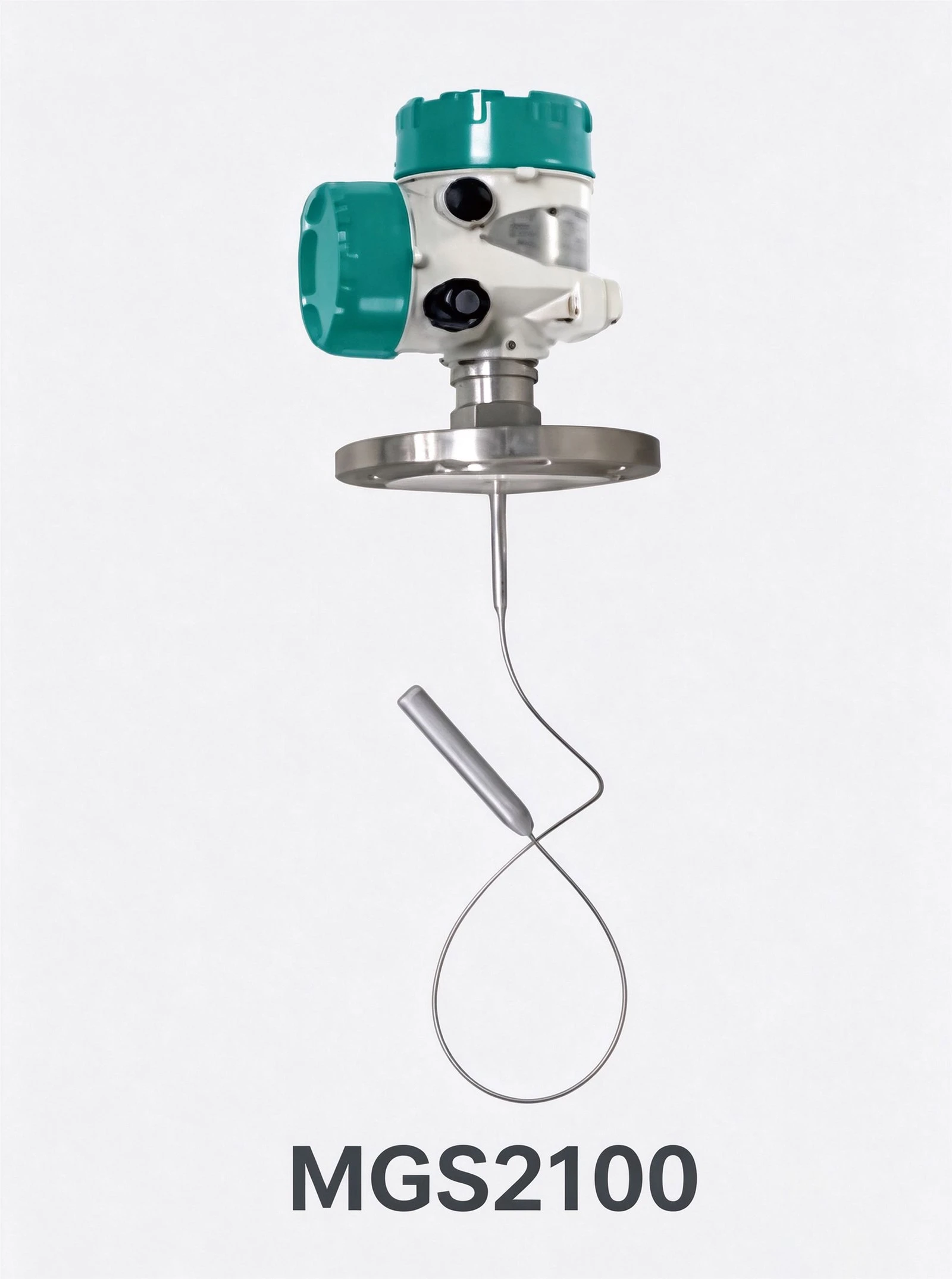
MGS2100 – Cable Probe
Effective measurement range:0.8–20 m
Ø4 mm cable for liquids
Ø8 mm cable for solids
Suitable for longer-range liquid measurement and solid particle applications
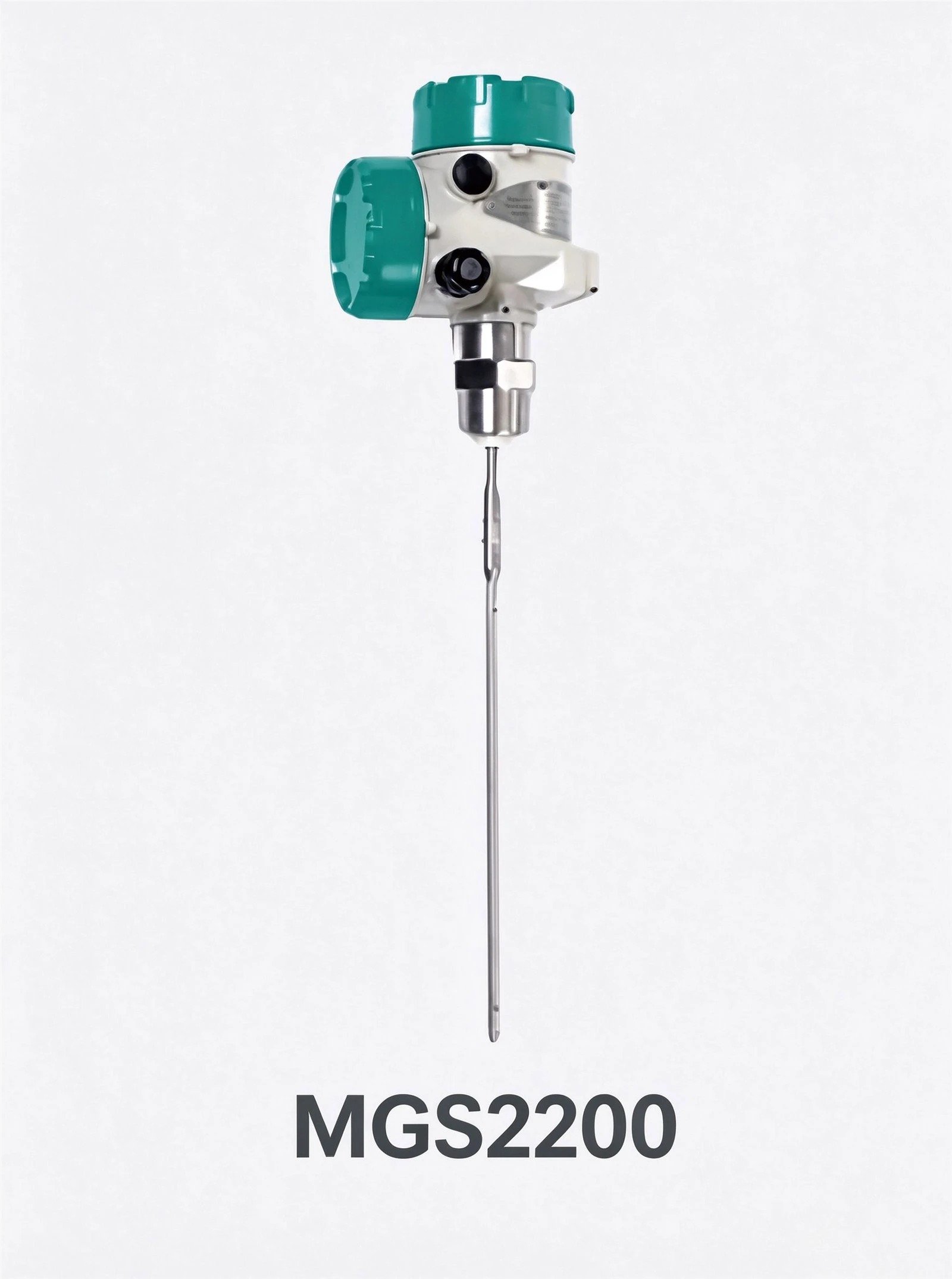
MGS2200 – Single Rod Probe
Effective measurement range:0.5–4 m
Ø10 mm rod for liquids
Ø20 mm rod for solids
Suitable for short-range liquid measurement and free-flowing, lightweight solid particles

MGS2500 – Coaxial Probe
Effective measurement range:0.5–4 m
Ø22 mm / Ø42 mm coaxial probes
Designed for liquid measurement
Dielectric constant ≥1.4
Viscosity ≤500 cSt
MGS Series Guided Wave Radar Level Transmitter – Probe Model Comparison
|
Comparison |
MGS2100 |
MGS2200 |
MGS2500 |
|---|---|---|---|
|
Probe Type |
Cable Probe |
Rod Probe |
Coaxial Probe |
|
Probe Diameter |
Ø2 / Ø4 / Ø8 mm |
Ø10 / Ø20 mm |
Ø22 / Ø42 mm |
|
Probe Material |
Cable probe options |
Rod probe options |
Coaxial probe options |
|
Measuring Medium |
Liquids / Solid particles |
Liquids / Solid particles / Powder |
Liquids |
|
Maximum Measuring Range |
20 m |
4 m |
4 m |
|
Effective Measuring Range |
0.8–20 m |
0.5–4 m |
0.5–4 m |
|
Top Blind Zone |
0.3 m |
0.3 m |
0.1 m |
|
Bottom Blind Zone |
0.25 m |
0.05 m |
0.05 m |
|
Dielectric Constant |
≥1.6 (liquids) |
≥1.6 |
≥1.4 |
|
Viscosity |
Not specified for the model as a whole |
≤500 cSt (specified media) |
≤500 cSt |
|
Tensile Strength |
12–16 kN (Ø4); 30–35 kN (Ø8) |
- |
- |
|
Side Load |
- |
10 Nm (Ø10); 30 Nm (Ø20) |
300 Nm |
Quick Probe selection notes:
- Ø4 mm cable probe: for liquids, including viscous liquids.
- Ø8 mm cable probe: for solid particles and dusty environments.
- Ø10 mm rod probe: for liquid measurement.
- Ø20 mm rod probe: for solid particle measurement.
- Ø22 mm / Ø42 mm coaxial probe: for liquid measurement.
MGS Series General Technical Specifications
|
Parameter |
Specification |
|---|---|
|
Measuring Principle |
Time Domain Reflectometry (TDR) |
|
Operating Frequency |
100 MHz–1.8 GHz |
|
Measurement Accuracy |
±3 mm |
|
Resolution |
1 mm |
|
Output Signal |
4–20 mA |
|
Communication Protocol |
HART |
|
Process Temperature |
-196°C to +440°C (depending on configuration) |
|
Process Pressure |
-1.0 to 40 kgf/cm² (depending on configuration) |
|
Two-Wire DC Power Supply |
14–30 V DC |
|
Four-Wire DC Power Supply |
18–36 V DC |
|
Four-Wire AC Power Supply |
90–260 V AC, 50–60 Hz |
|
Ambient Temperature |
Standard: -30°C to +70°C; Low-temperature configuration: -60°C to +80°C |
|
LCD Display Temperature |
-30°C to +80°C |
|
Protection Rating |
IP66/IP67 |
|
Process Connection |
G3/4"A, G1-1/2"A, 1-1/2"NPT or flange |
|
Electrical Connection |
M20×1.5 or 1/2"NPT |
Safety Approvals
|
Approval Type |
Available Configuration |
|---|---|
|
Intrinsic Safety |
Gas |
|
Intrinsic Safety + Flameproof |
Gas |
|
Intrinsic Safety + Flameproof |
Dust |
|
EAC |
Intrinsic Safety, Gas |
|
EAC |
Intrinsic Safety, Dust |
|
EAC |
Flameproof, Gas |
|
EAC |
Flameproof, Dust |
Installation Guidelines
Proper installation is important for reliable level measurement.


Typical Applications
The MGS Series Guided Wave Radar Level Transmitter is used for continuous level measurement in liquid and solid material storage applications across several industrial sectors.
Petrochemical Industry
Crude oil and light oil
Natural gas
Methanol and ethanol
Ammonia water and benzene
Esters and liquid CO₂
Liquid nitrogen
01
Power Industry
Coal bunkers
Powder silos
Ash silos
Chemical water tanks
02
Metallurgical Industry
Limestone and coke powder
Cold return ore
Raw material silos
Powder silos and ash silos
Chemical water tanks
03
Cement Industry
Clinker silos
Powder silos
Coal bunkers
Chemical water tanks
04
Working Principle -Industrial Radar Level Meter
How Does the MGS Series Guided Wave Radar Level Transmitter work?

-
Measurement Principle
The MGS Series Guided Wave Radar Level Transmitter uses Time Domain Reflectometry (TDR). High-frequency pulses travel along the probe and are partially reflected when they reach the material surface due to a change in dielectric constant. The reflected signals return to the transmitter.
-
By measuring the time difference between the transmitted and reflected pulses, the distance from the instrument flange to the material surface is calculated:
2D=C* T
C: Speed of light
T: Time difference between transmitted and reflected pulses
D: Measured distance
Guided Wave Radar Level Transmitter Manufacturer
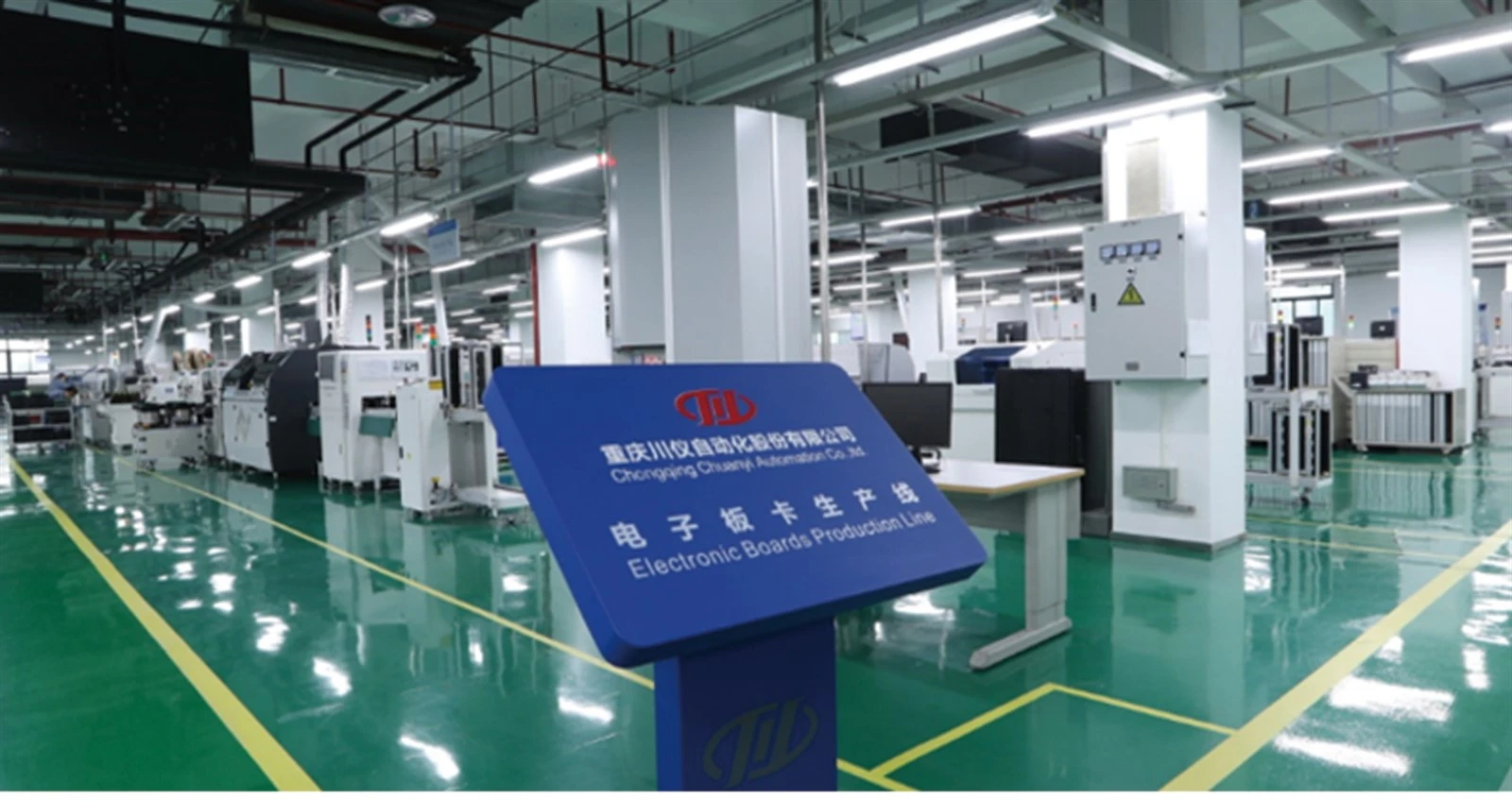

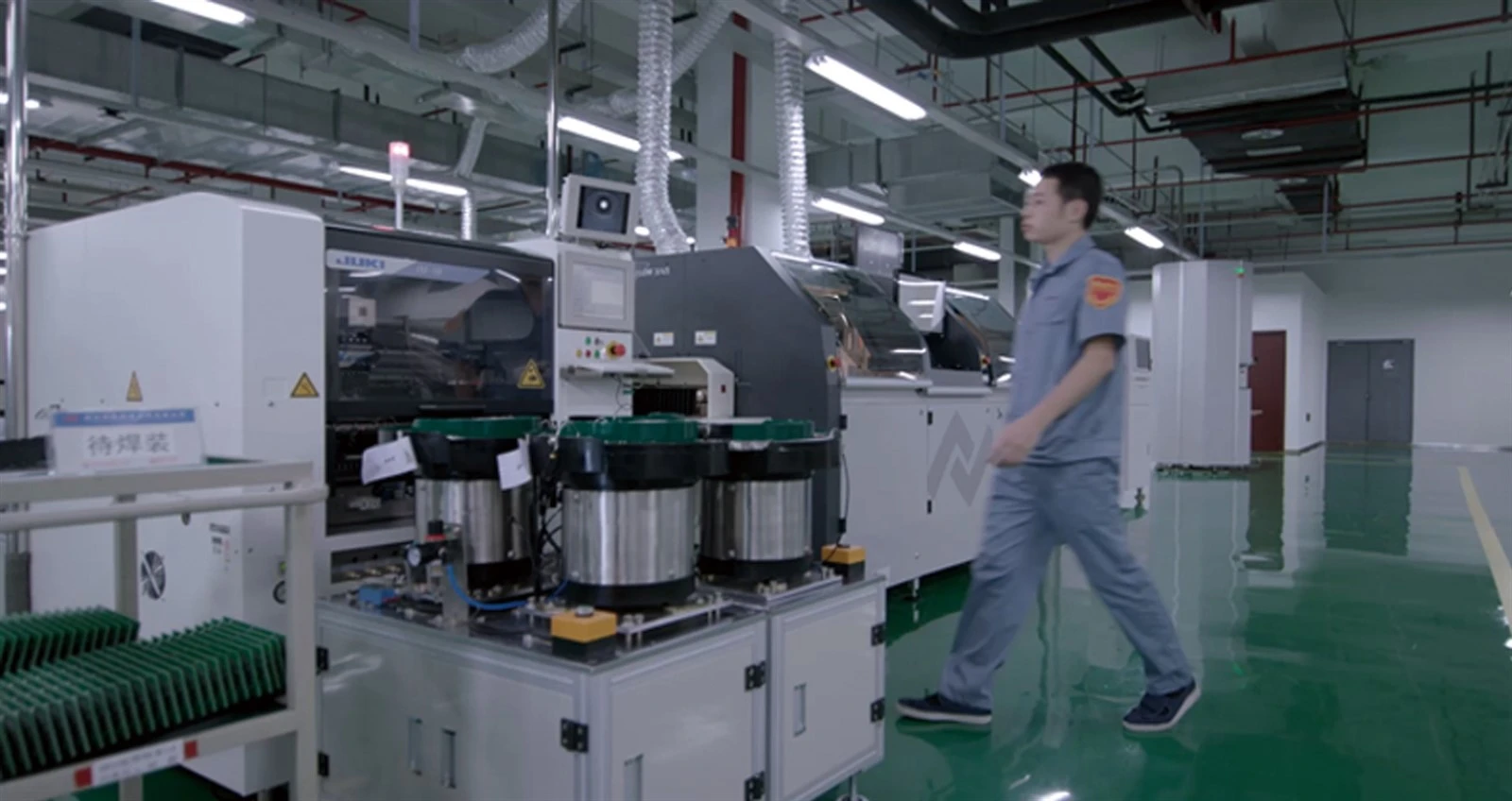
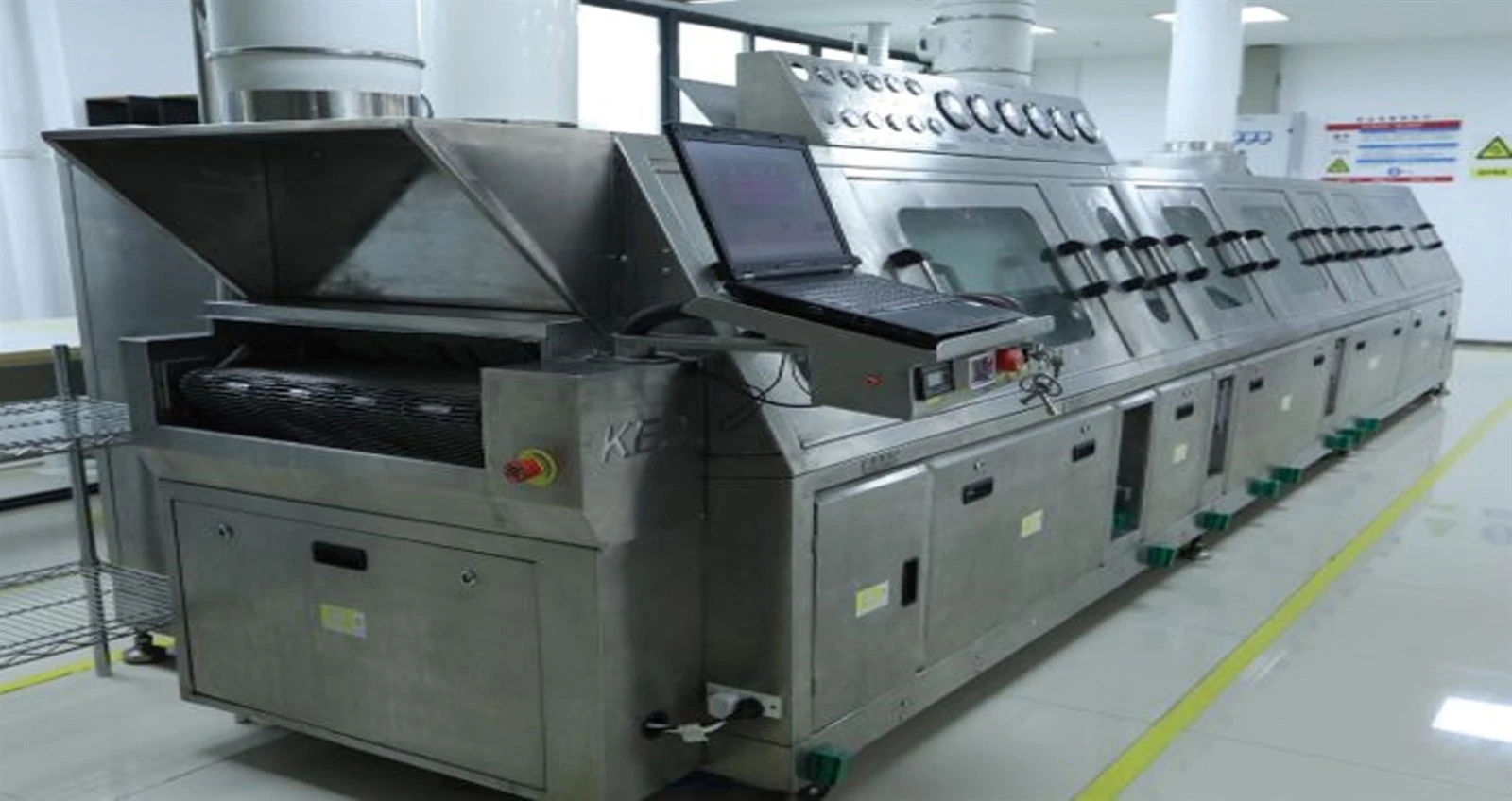


Guided Wave Radar Level Transmitter Factory

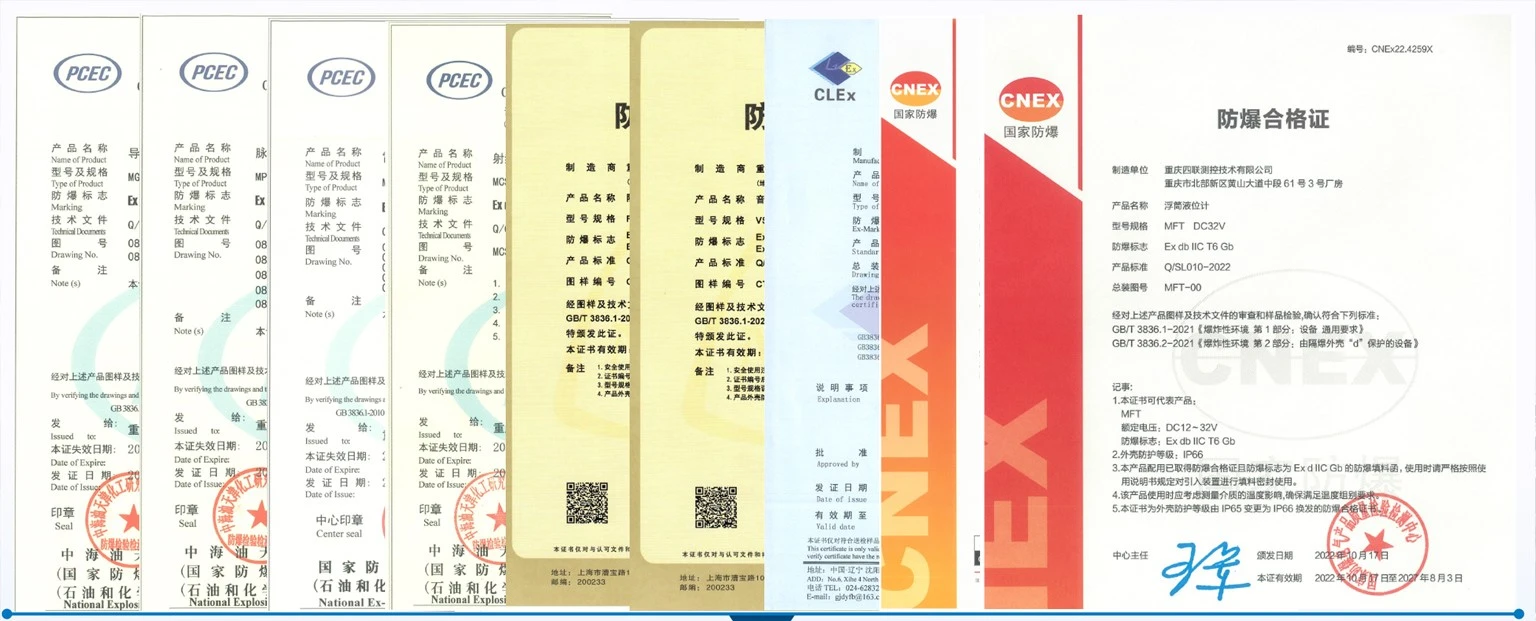
FAQ
Q1: What output signal does the MGS Series Guided Wave Radar Level Transmitter provide?
It provides a 4–20 mA output signal and supports HART communication.
Q2: Can it be used for both liquid and solid level measurement?
Yes. The product manual lists applications involving liquids and solid materials. The probe configuration should be selected according to the actual medium and operating conditions.
Q3: Does dust or steam affect measurement?
The product specifications state that measurement is not affected by dust or steam. Actual installation conditions should still be checked before selection.
Product Selection and Inquiry
Choosing a suitable Liquid Level Radar Transmitter configuration requires more than knowing the tank height. The medium, surface condition, tank structure, antenna type and process conditions all affect the usable measurement range.As professional Guided Wave Radar Level Transmitter Supplier,your any question is welcome!
To help identify a suitable Corrosive Liquid Level Measurement and antenna configuration, please provide the following information:
- Measured medium: liquid, slurry, powder, granules or lump materials.
- Medium properties: dielectric constant for liquids, or particle size for solids, if available.
- Tank information: tank height, diameter and tank type.
- Measurement conditions: calm, fluctuating or disturbed surface; presence of agitators or internal obstructions.
- Process conditions: operating temperature and pressure.
- Installation information: nozzle size, connection type and available installation position.
- Required measurement range: normal level and maximum level.
- Contact us with your operating conditions to discuss the appropriate MPS3000 model, antenna size and installation configuration.
Hot Tags: mgs series guided wave radar level transmitter, China mgs series guided wave radar level transmitter manufacturers, suppliers, factory