Vacuum Ceramic Filter Buying Guide: How It Improves on Traditional Disc Vacuum Filters?
Choosing the right dewatering equipment is not simply a matter of comparing filtration capacity. For mineral processing plants and other industrial applications, the more important questions are often filter cake moisture, energy consumption, maintenance requirements, filtrate quality, and long-term operating cost.
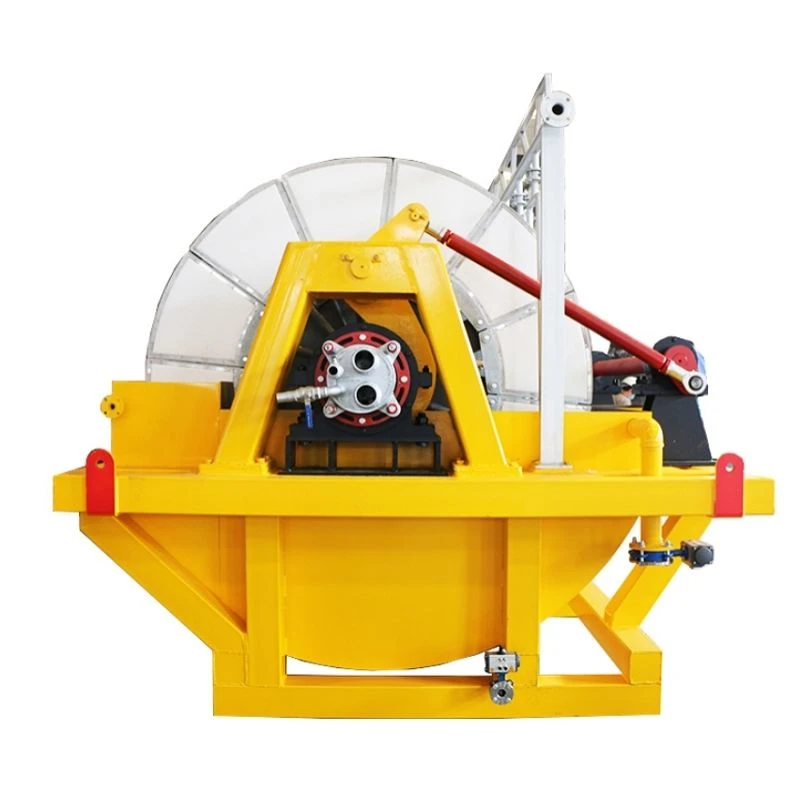
A Vacuum Ceramic Filter is an advanced alternative to conventional cloth-based disc vacuum filters. By replacing the traditional filter cloth with rigid microporous ceramic filter media, it improves several key aspects of the filtration process while maintaining continuous vacuum filtration.
What Is a Vacuum Ceramic Filter?
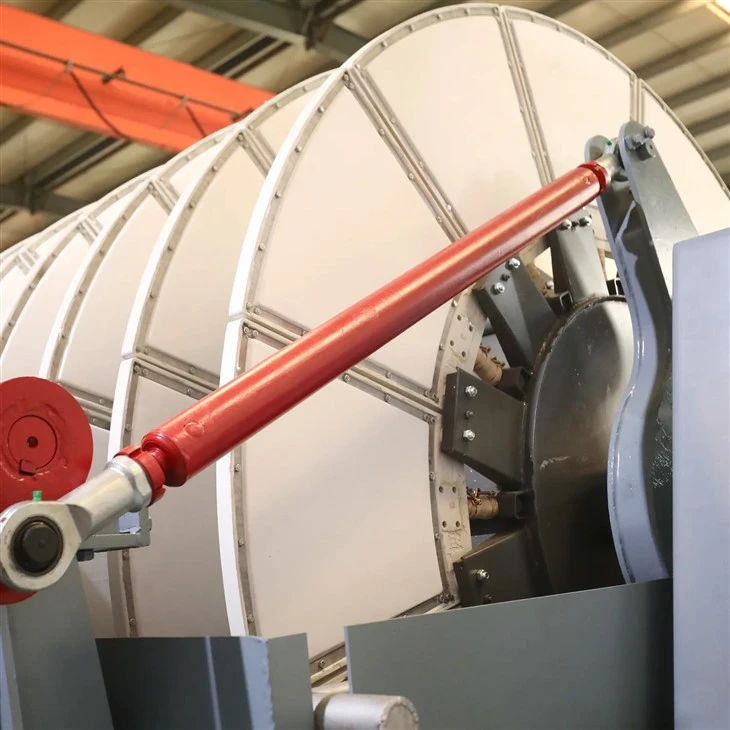
A vacuum ceramic filter uses porous ceramic filter plates as the filtration medium. Unlike conventional filter cloth, the ceramic plate contains controlled micropores and has strong hydrophilic properties.
During operation, vacuum pressure draws liquid through the ceramic pores while solid particles remain on the plate surface and form a filter cake. Because the ceramic medium allows liquid to pass while resisting air penetration, the system can achieve efficient dewatering with relatively low vacuum air demand.
This design makes ceramic filtration particularly suitable for mineral concentrates, tailings, chemical slurries, and other applications where stable dewatering performance is required.
Vacuum Ceramic Filter vs. Traditional Disc Vacuum Filter
The main difference is not simply the filter material. It changes how the entire filtration process operates.
| Key Factor | Traditional Disc Vacuum Filter | Vacuum Ceramic Filter |
|---|---|---|
| Filter medium | Filter cloth | Microporous ceramic plate |
| Air permeability | Relatively high | Very low |
| Vacuum demand | Higher | Lower |
| Filter cake moisture | Depends strongly on cloth and slurry | Typically lower under suitable conditions |
| Consumables | Regular cloth replacement | No routine filter cloth consumption |
| Filtrate quality | Depends on cloth condition | Typically clearer |
| Cleaning | Cloth washing and replacement | Ceramic regeneration/cleaning |
| Long-term operating cost | Higher consumable and maintenance costs | Potentially lower |
1. Lower Vacuum Energy Consumption
Traditional cloth filters allow a considerable amount of air to enter the vacuum system. The vacuum pump therefore needs to handle both filtrate and large volumes of air.
Ceramic filter plates are hydrophilic and highly resistant to air penetration. Once the ceramic surface is wetted, liquid can pass through the micropores while air leakage is greatly reduced.
As a result, a vacuum ceramic filter can reduce the workload of the vacuum system and lower electrical consumption under suitable operating conditions.
2. Lower Filter Cake Moisture
For mineral processing plants, filtration performance is ultimately measured by more than filtration throughput. Residual moisture in the filter cake can directly affect transportation, storage, drying, and downstream processing.
The rigid microporous ceramic structure provides efficient capillary-assisted dewatering. Under appropriate slurry characteristics and operating conditions, ceramic filtration can produce a relatively dry filter cake, commonly achieving moisture levels in the 8–15% range, depending on the material.
Lower cake moisture can reduce the amount of water that must be removed by downstream thermal drying.
3. Less Dependence on Filter Cloth
Filter cloth is a consumable component in conventional disc vacuum filtration. Abrasion, blinding, chemical attack, and mechanical damage can gradually reduce filtration performance and eventually require replacement.
A ceramic filter plate is a rigid, reusable filtration medium rather than a disposable textile layer.
With proper cleaning and regeneration, ceramic plates can operate for years. This reduces frequent consumable purchases, filter replacement labor, and downtime associated with cloth changes.
4. More Consistent Filtrate Quality
Because ceramic micropores provide a relatively stable filtration structure, the filtrate can remain clear when the filter is correctly selected and operated.
This is particularly valuable when the filtrate needs to be recycled back into the process. Recovering and reusing process water can reduce freshwater consumption and help improve overall plant water efficiency.
What Should You Consider Before Buying?
A ceramic filter is not automatically the best choice for every slurry. Before purchasing, evaluate:
- Particle size and particle-size distribution
- Slurry concentration and viscosity
- Material abrasiveness
- Required filter cake moisture
- Required filtration capacity
- Filtrate quality requirements
- Chemical compatibility
- Cleaning and regeneration conditions
- Available vacuum and electrical power
- Downstream drying requirements
The most important point is to select the equipment based on the actual slurry and process objectives, rather than choosing a machine only by nominal filtration area.
Why Consider Zhongyu Vacuum Ceramic Filters?
Zhongyu focuses on ceramic filtration technology for demanding solid-liquid separation applications, including mineral processing, metallurgy, chemical processing, and industrial wastewater treatment.
Our approach is to match ceramic filter media, filtration area, vacuum conditions, cleaning methods, and operating parameters to the customer's specific slurry characteristics.
For plants considering an upgrade from a traditional disc vacuum filter, the potential benefits are not limited to replacing filter cloth. The real opportunity is to improve the overall dewatering process through lower vacuum demand, reduced consumable consumption, lower filter cake moisture, clearer filtrate, and more stable long-term operation.
Final Buying Tip
If your current disc vacuum filter is experiencing high power consumption, frequent filter cloth replacement, unstable cake moisture, or excessive downstream drying costs, a Vacuum Ceramic Filter may be worth evaluating.
The best equipment should be selected according to your material characteristics and production targets-not simply by filtration area or machine capacity.
Zhongyu can help evaluate your slurry conditions and determine whether ceramic vacuum filtration is technically and economically suitable for your process.