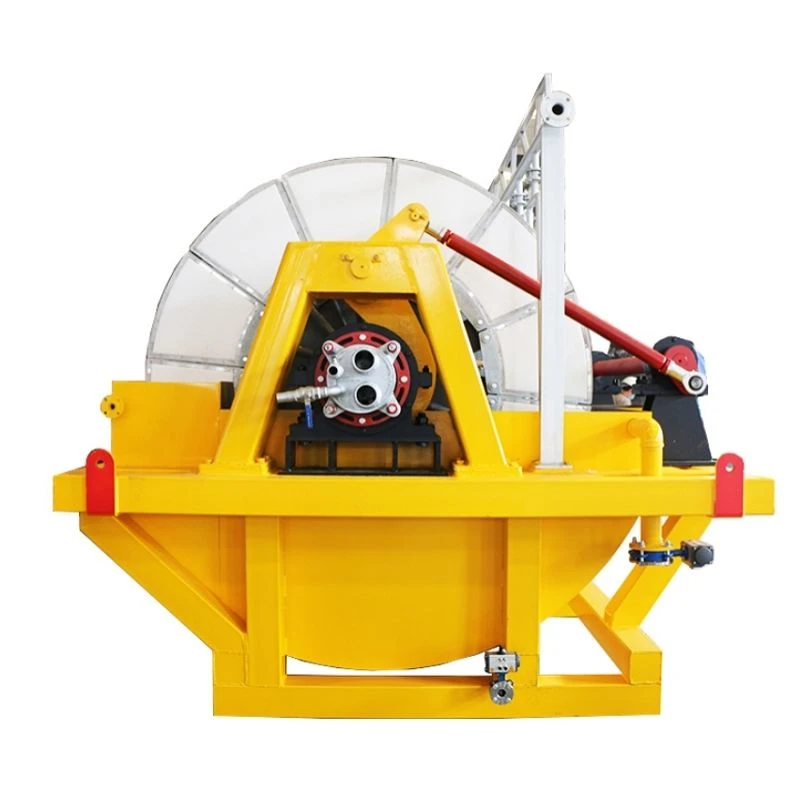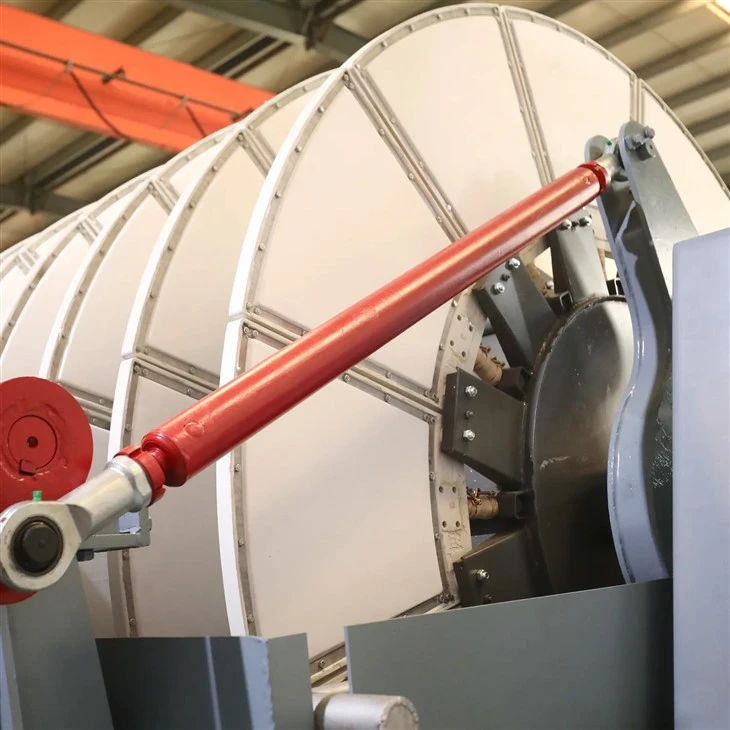
Ceramic filter plates are the key filtration media in a Vacuum Ceramic Filter. Their surface condition, dimensional accuracy, permeability, and performance after operation directly affect the filtration process. For this reason, checking ceramic filter plates should not be limited to inspecting whether they look intact.
A practical inspection can be divided into two stages:
- Quality of new ceramic plates,
- Ceramic filter plates condition assessment after the filtration have been put into operation.
1. Inspection of New Ceramic Filter Plates
Before a new ceramic filter plate is installed, its basic quality and dimensions should be checked.
1.1 Check the Plate Surface
First, check whether the plate surface is clean and neat.
The membrane surface should have no visible damage. This is the first basic inspection item for a new ceramic filter plate.
1.2 Water Permeability Test
When testing conditions are available, a water permeability test can be performed at a water pressure of 1 kg.
During the test, the water droplets on the membrane surface should flow evenly along the surface.
This provides a direct way to check the water permeability condition of the ceramic plate surface.
1.3 Air Pressure Test
An air pressure test can also be performed when conditions permit.
The test pressure is 6 kg. During the test, check the edge sealing and plate surface for air holes.
Together with the water permeability test, this provides another way to inspect the condition of a new ceramic filter plate before it is put into service.
1.4 Check the Assembly Ring
The flatness and height of the assembly ring should be checked.
The relevant parts should be checked to determine whether the flatness and height are consistent.
1.5 Check Surface Flatness Tolerance
The flatness tolerance of the ceramic filter plate surface should also be checked.
This is one of the quality inspection items for a new ceramic filter plate.
1.6 Verify Overall Dimensions
Finally, verify the overall dimensions of the ceramic filter plate.
Dimensional inspection should be completed before the plate is installed to ensure that its external dimensions are consistent with the required specifications.
2. Inspection of Ceramic Filter Plates After Use
The inspection of a ceramic filter plate after use focuses on its actual condition during filtration and cleaning.
Three points should be checked: filter cake loading, cleaning coverage, and plate surface condition after cleaning.
2.1 Check Whether Filter Cake Loading Is Even
After the ceramic filter plate has been used, check whether the filter cake is loaded evenly across the plate surface.
Pay particular attention to whether there are areas where no material is loaded.
Uneven loading or areas without material should be recorded during the inspection.
2.2 Check the Cleaning Area and Permeability
After the ceramic filter plate has been working and is cleaned, check the proportion of the plate surface that has been cleaned.
The clean surface area ratio is used to evaluate the transparency/permeability condition, of the ceramic plate.
The larger the cleaned area, the more complete the cleaning condition of the corresponding plate surface can be observed.
Therefore, checking the cleaning area is an important part of evaluating a ceramic filter plate after use.
2.3 Check for Plate Damage After Cleaning
After cleaning, use a cleaning pressure of 0.2 kg and check whether there is any damage to the plate surface.
The purpose of this inspection is to determine whether the ceramic plate surface remains intact after the cleaning process.
3. New vs. Used Ceramic Filter Plate Inspection
The inspection focus changes depending on whether the ceramic filter plate is new or has already been used.
For a new ceramic filter plate, the main inspection items are:
- Plate surface cleanliness
- Membrane surface condition
- Water permeability test at 1 kg when available
- Air pressure test at 6 kg when available
- Edge sealing and plate surface air-hole inspection
- Assembly ring flatness and height consistency
- Plate surface flatness tolerance
- Overall dimensions
For a used ceramic filter plate, the main inspection items are:
- Whether filter cake loading is even
- Whether there are areas without material loading
- Cleaning area ratio, or permeability condition
- Plate surface condition after cleaning at 0.2 kg pressure
This provides a clear inspection process from the initial quality check of a new ceramic filter plate to the condition check after operation.
4. Zhongyu Ceramic Filter Plate Inspection
For Zhongyu Vacuum Ceramic Filters, ceramic filter plate inspection can be organized around these two stages.
Before installation, new ceramic filter plates should be checked for surface condition, water permeability, air pressure performance, assembly ring consistency, flatness, and overall dimensions.
After use, the inspection should focus on filter cake loading, cleaning area ratio, and whether the plate surface has been damaged during cleaning.
Following these inspection points provides users with a practical reference for checking ceramic filter plates before installation and after operation.
If you are purchasing ceramic filter plates for a Vacuum Ceramic Filter or need to check plates already in use, Zhongyu can provide ceramic filtration equipment and related filter plate solutions according to your requirements.